
Vaccine Myth #1: Vaccines Cause Autism
A natural product may falsely claim it uses “secrets of ancient medicine.” Ya think?
April 16, 2008Health Headlines
April 16, 2008Tuesday, in my weekly interview with Mark Elfstrand on WMBI in Chicago, a woman called to inquire about the risk of autism from vaccinations.
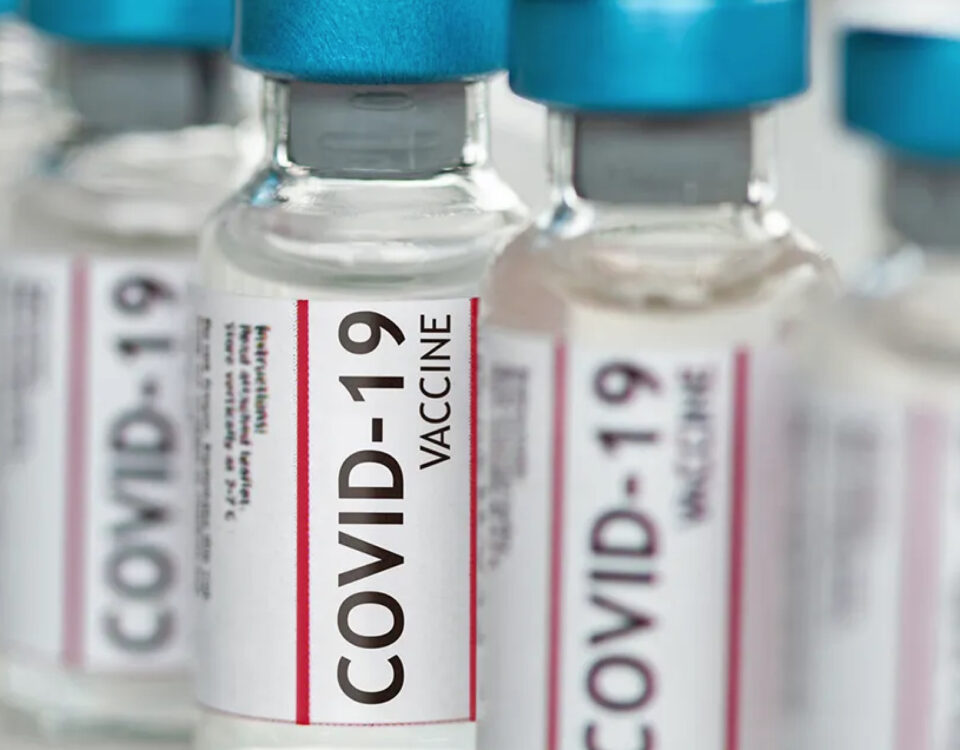
It reminded me of a chapter from my book, God’s Design for the Highly Healthy Child, in which I discuss a number of myths about vaccinations. This week, I’ll start a multipart series on a dozen or more of these common myths and misperceptions.
Today, I’ll address the oft-asked question, “Do vaccines cause autism?” — or, more specifically, “Does the MMR vaccine cause autism or autism spectrum disorders (ASD?”
In 1998, a study published in the English journal Lancet reported that autism might be caused by the combination measles, mumps, and rubella (MMR) vaccine.
The report claimed that children given this vaccine developed intestinal inflammation that preceded the development of autism.
In response, the Medical Research Council of Britain set up a panel to investigate a possible link between MMR vaccine and autism. A subsequent study showed that there was no association between vaccines and autism.
According to experts at Duke Medical Center, “This question has been intensively examined by both large studies and expert panel reviews. Panels convened by the Institute of Medicine, Medical Research Council, and World Health Organization have all agreed that these studies have not supported the hypothesis that MMR is an important cause of autism.”
In addition, at least 23 large studies in several countries have shown no association between the MMR vaccine and autism.
Now, we learn that two of the lead authors are being investigated for possible ethics violations.
One news report of these allegations said, “The 92-page list of allegations took more than an hour to read out. A key charge is that when Dr Wakefield submitted his research paper to The Lancet, he failed to declare he was a paid adviser to solicitors acting for parents who believed their children were harmed by MMR and had accepted £55,000 from the Legal Aid Board for research to support their legal action.”
Medical organizations such as the American Academy of Pediatrics, the Centers for Disease Control and Prevention, the American Academy of Family Physicians, the Institute of Medicine, and the Advisory Committee on Immunization Practices to the CDC, which are composed of scientists, clinicians, epidemiologists, parents, and statisticians, have all concluded there is no link.
If well-controlled, adequately analyzed studies clearly showed that MMR caused or could cause autism,you can bet your bottom dollar that experts in the field would quickly ask for the vaccine to be withdrawn and that doctors everywhere would refuse to administer it.
Fortunately, according to a recent study, “News stories about an allegedly harmful link between the mumps, measles and rubella vaccine and the onset of autism had little effect on whether U.S. parents immunized their children.”
Parents are listening more to their children’s physicians than they are the hysteria in the news media, and, as a result, children in the U.S. are continuing to be protected by the MMR vaccine.
You can read more about vaccine myths in my book God’s Design for the Highly Healthy Child.
Here are other blogs in this series you might find useful:
- Radio Listeners ‘Angry as Hornets’ About Dr. Walt’s Comments on Childhood Vaccination
- Doctors Debate Delayed Vaccine Schedule
- More on the Risks of Not Vaccinating Your Children
- Separating Swine Flu Myths From Facts
- Vaccine Myth #1: Vaccines Cause Autism
- Vaccine Myth #2: Vaccines Don’t Work
- Vaccine Myth #3: Vaccines Aren’t Necessary
- Vaccine Myth #4: Vaccines Are Unsafe
- Vaccine Myth #5: Infants Are Too Young to Get Vaccinated
- Vaccine Myth #6: It’s Better to Be Naturally Infected Than Immunized
- Vaccine Myth #7: Vaccines Weaken the Immune System
- Vaccine Myth #8: A Preservative Contained in Many Vaccines Harms Children
- Vaccine Myth #9: Vaccine-Preventable Diseases Occur More Often in Vaccinated People Than in Unvaccinated People
- Vaccine Myth #10: Vaccines, If Administered during the First Two Years of Life, Can Cause Diabetes
- Vaccine Myth #11: The DTP Vaccine Caused Deafness in the 1994 Miss America Beauty Pageant Winner
- Vaccine Myth #12: The Polio Virus Vaccine Is Contaminated with a Virus That Causes Cancer
- Vaccine Myth #13: Vaccinations are made from aborted babies

0 Comments
I am a dad of two boys with autism, I look to your blog for current info! Thank You!
I am really surprised at your approach. What is wrong with the immune system God gave children?
Laura, our immune system, like our soul, our flesh, our spirit, and our world is fallen.